Wiring, Outlets and Remodels
Aluminum branch wiring repair and remediation in Grand Rapids
Aluminum branch wiring from the 1960s and 1970s is not a problem in the wire itself; it is a problem at every connection, where aluminum expands, oxidizes and loosens. We remediate those connections with listed methods, or replace the circuits, and document it for your insurer.
Updated September 2026
- Answered 24/7
- Listed connectors only
- Insurer documentation
- Warm-outlet checks
Quick answer
Aluminum wiring repair in Grand Rapids usually means remediating every connection point on the home's aluminum branch circuits with listed connectors such as COPALUM crimps or AlumiConn lugs, replacing devices with CO/ALR-rated switches and receptacles where appropriate, or replacing the aluminum circuits with copper. Warm outlets or switches need attention right away.
What this job is
The wire is fine; the connections are the risk
Solid aluminum branch wiring was used in many homes built around the late 1960s and early 1970s. Aluminum expands and contracts more than copper and forms an oxide at connections, so screw terminals and splices loosen and heat over time. The fix is at the connections: every outlet, switch, fixture and splice. Done with listed methods, it addresses the risk without tearing out every wall.
Cost factors
What moves the price on this job
The number of connection points, not the square footage, drives the price.
Typical regional ranges: wiring per outlet $100 to $185 and electrician labor $75 to $150 per hour, as planning figures rather than our price.
- 01
Connection count
Every device, fixture and splice is a point.
- 02
Method
Crimp, lug, device swap or replacement.
- 03
Box space
Crowded boxes may need replacing.
- 04
Attic and basement access
Hidden splices take time to reach.
- 05
Damaged conductors
Heat damage must be cut back.
- 06
Circuit replacement
Replacing runs costs more than pigtailing.
- 07
Documentation
Records for insurers and buyers.
Choosing between them
Remediation methods compared
| Method | Best for | Trade-off |
|---|---|---|
| COPALUM crimp pigtails | Whole-house remediation | Specialized tooling and training |
| AlumiConn lug connectors | Pigtailing at each device | Box space needed for the connector |
| CO/ALR devices | Switches and receptacles only | Does not cover splices or fixtures |
| Replace circuits with copper | Accessible circuits or renovations | Most invasive and costly |
The versions of this job
COPALUM and AlumiConn pigtailing
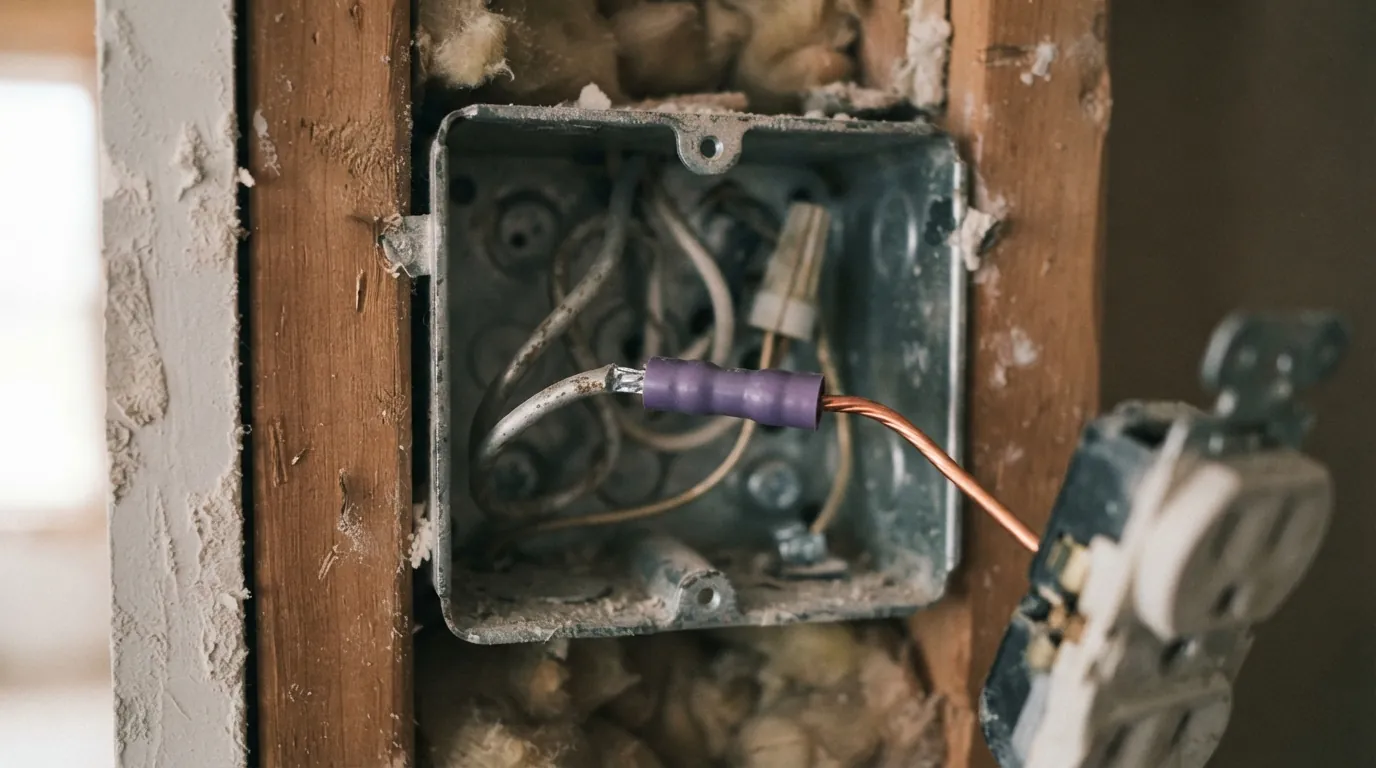
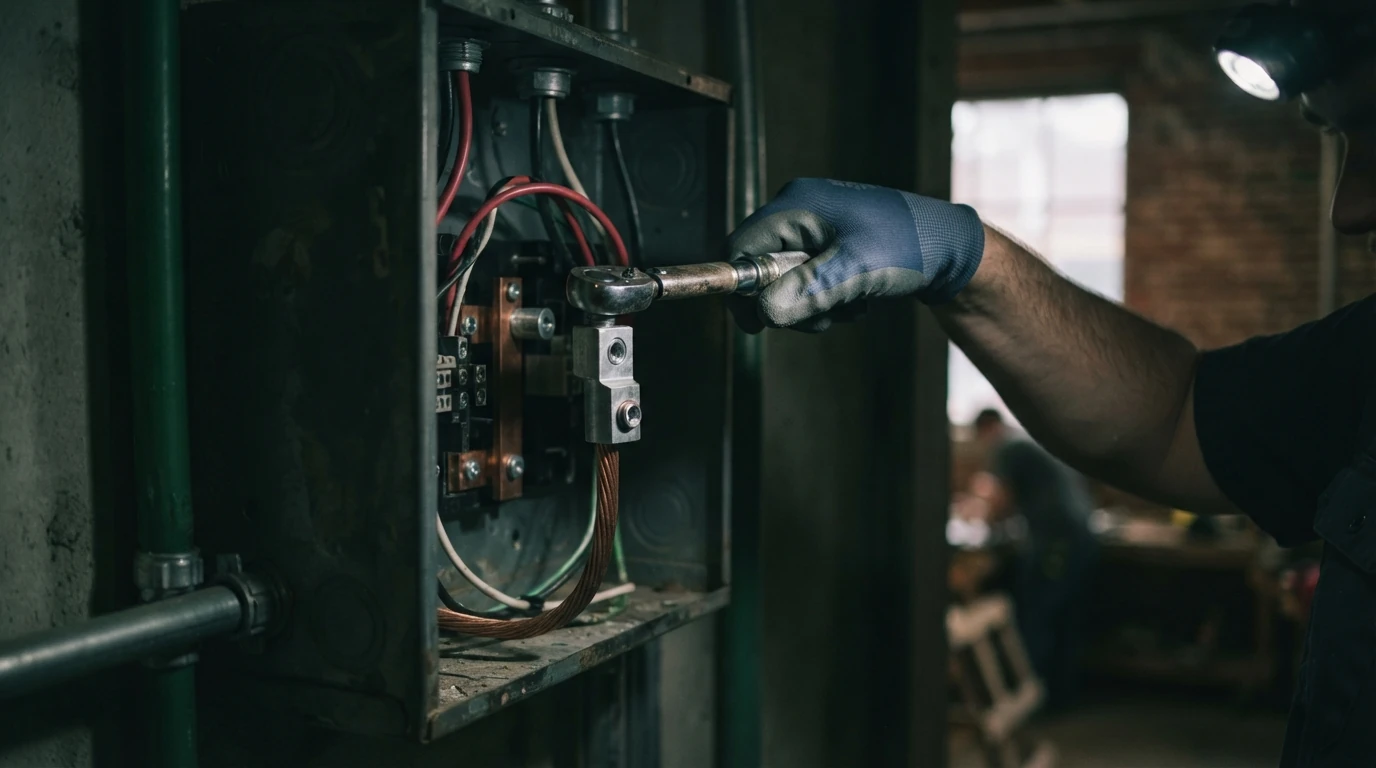
Pigtailing joins a short copper lead to the aluminum conductor with a connector listed for the purpose, so the device itself only ever touches copper. COPALUM crimps are a permanent, tooled connection; AlumiConn lugs are set-screw connectors torqued to specification. We choose based on box space and the number of connections, and we treat every connection point on the circuit, not just the outlets, because a single untreated splice in the attic can still overheat. Each finished connection is logged so you know it was done.
CO/ALR device replacement
CO/ALR-rated switches and receptacles are designed to accept aluminum wire directly. They are a reasonable fix for the devices themselves, but they do nothing for splices, fixture connections or panel terminations. We use them where they fit the plan, torque the terminals correctly, and pair them with pigtailing elsewhere on the circuit. Ordinary devices marked only for copper must never be connected to aluminum, which is the most common mistake we find on these houses after a past owner swapped a few outlets.
Aluminum branch circuit replacement
Where walls are open for a remodel, or a circuit is easily reached from the basement or attic, replacing aluminum branch circuits with copper removes the issue entirely on those runs. We often combine methods: replace what is accessible, remediate the rest with listed connectors. That balances cost and disruption, keeps most walls closed, and the result is documented circuit by circuit so an insurer or buyer can see exactly what was done and where, room by room, with the replaced runs marked separately from the remediated ones.
Warm outlet and switch checks
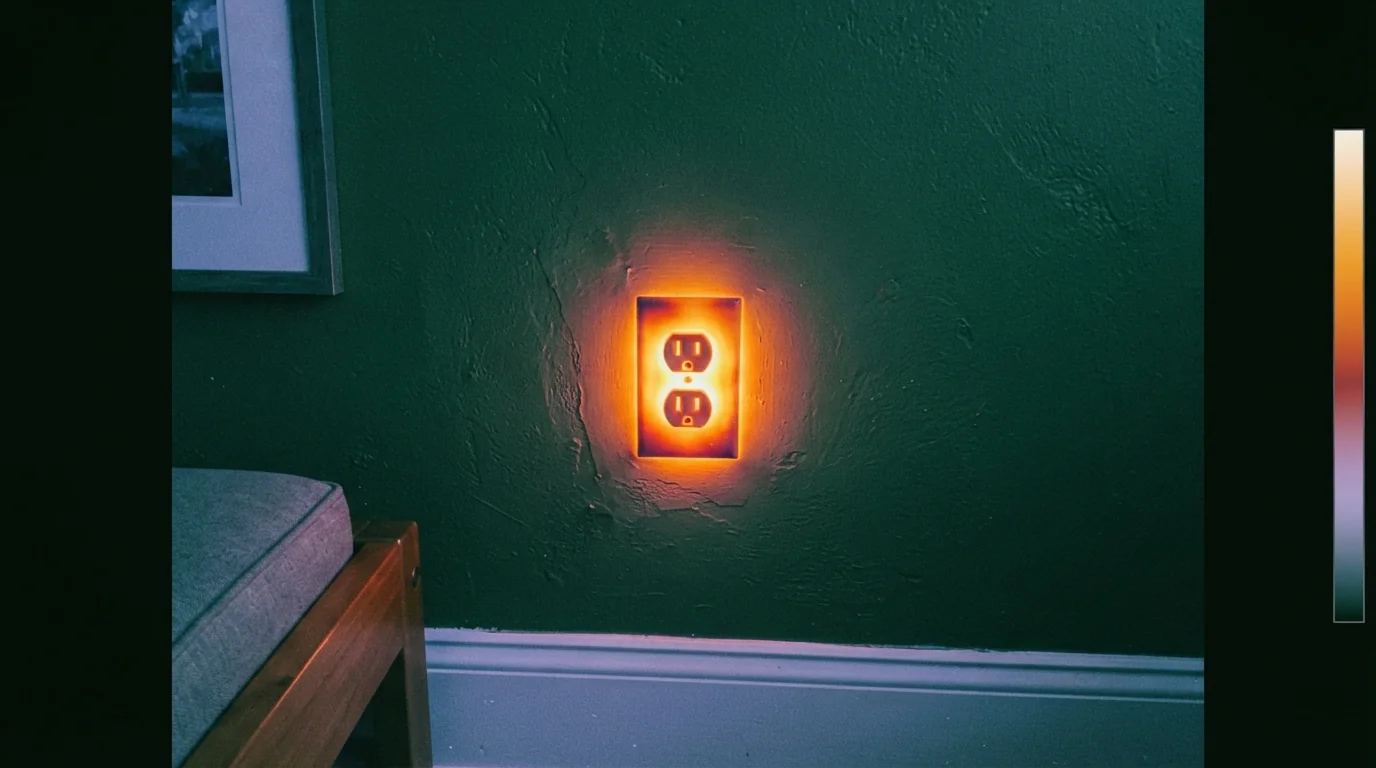
A warm cover plate or a switch that feels hot is a connection in trouble. We turn off that circuit, open the device, and inspect the aluminum conductor for damage, cutting back to clean metal before remediating. We then check the other devices on the same circuit, because a house with one failing aluminum connection almost always has others at different stages of wear. A thermal scan of loaded circuits helps find them before they fail, especially in rooms with heaters or window air conditioners.
Local conditions
How Grand Rapids homes shape this job
Michigan's residential code no longer carries its own electrical chapters, so aluminum remediation in any one- or two-family home in Grand Rapids is done and inspected under the 2023 Michigan Electrical Code. That gives insurers and buyers a single, clear standard to check the remediation record against, which is why we document every connection we touch on every circuit in the house.
How the job runs
How aluminum wiring remediation runs
Confirm aluminum circuits
Panel and sample devices checked.
Count connection points
Every device, fixture and splice.
Choose the method
Pigtail, device swap or replace.
Remediate circuit by circuit
Power off one circuit at a time.
Thermal and load check
Connections checked under load.
Document for insurers
Circuit-by-circuit record.
What you notice first
Signs aluminum connections are overheating
Warm outlet or switch plates
A loosening connection is heating up.
Flickering lights on one circuit
Intermittent contact at a terminal.
Burning plastic smell
Turn off that circuit and call.
Discolored outlet or switch
Heat has already marked the device.
Outlets that stop working
A connection has opened completely.
Crackling or buzzing at a device
Arcing at a loose connection.
Straight answers
Questions about aluminum wiring repair in Grand Rapids
Still unsure? Call (616) 699-4794 and ask a technician.
The wire is not the problem; its connections can loosen and overheat without proper remediation.
Not usually. Listed pigtailing at every connection is an accepted remedy.
They fix the devices but not splices or fixtures; they are part of a remediation, not all of it.
Many do with documentation; we provide a circuit-by-circuit record.
Turn off that circuit and call; it is a connection starting to fail.
Same category