Panels and Electrical Service
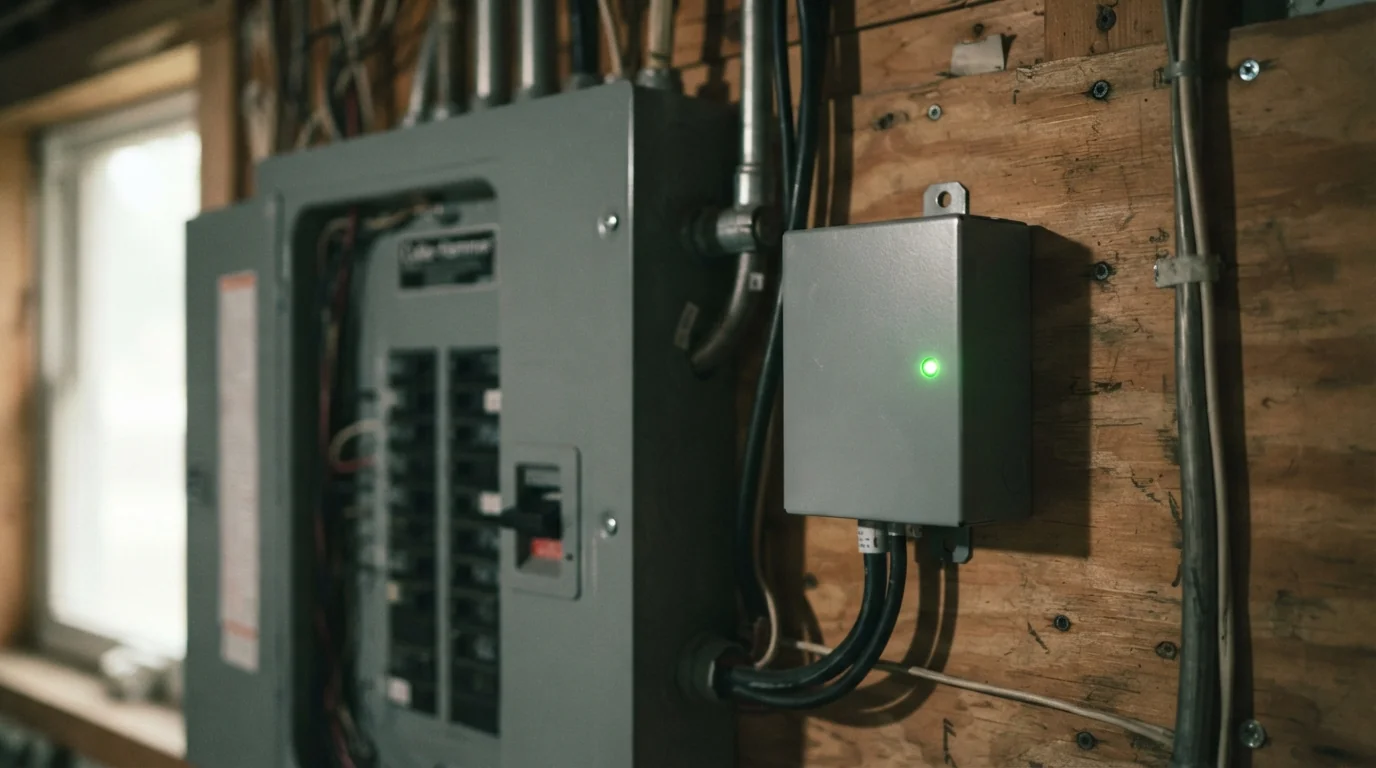
Whole-house surge protection installed at the panel in Grand Rapids
Most surge damage is quiet: an appliance control board that dies after a thunderstorm, or a furnace that will not start after the power flickers back. A surge protective device at the panel catches surges entering from the utility line before they reach every circuit in the house.
Updated September 2026
- Answered 24/7
- Mounted at the main panel
- Point-of-use advice included
- Grand Rapids and Kent County
Quick answer
Whole-house surge protection in Grand Rapids means installing a surge protective device at the main panel that diverts voltage spikes from lightning and utility switching to ground before they reach the home's circuits. It works best paired with good grounding and point-of-use protectors for sensitive electronics, and devices should be replaced after a major surge event.
What this job is
What a panel surge device does, and what it does not
A panel-mounted device, usually a Type 2 unit on a dedicated breaker, clamps surges coming in on the service before they spread through the house. It cannot stop a direct lightning strike, and it does less for surges created inside the house by motors and compressors, which is why sensitive electronics still benefit from point-of-use protection. It also depends on the house grounding, which we check before installing it.
What you notice first
Signs surges are already reaching your equipment
Electronics failing after storms
Boards and power supplies die after lightning nearby.
Appliance control boards replaced
Washers, ranges and furnaces are common victims.
Garage door opener stops working
Its logic board is surge-sensitive.
Lights surge bright briefly
Voltage spikes on the incoming service.
GFCIs failing more than usual
Repeated surges wear out their electronics.
Surge strip indicator light is off
The strip has spent its protection.
The versions of this job
Type 2 panel surge device
A Type 2 surge protective device mounts on or beside the main panel and connects to a dedicated two-pole breaker. When a surge arrives on the service, it diverts the excess to ground in a fraction of a second, protecting every branch circuit at once. We keep its leads short and straight, because long leads reduce how well it clamps, check the grounding electrode and bonding first, and choose a unit with an indicator light so you can see at a glance whether it is still protecting the house.
Point-of-use protection
The panel device handles the big surges from outside; point-of-use protectors handle what is left and the smaller surges generated inside the house. We recommend quality protectors for TVs, computers, network equipment and anything with a costly board, and explain how to tell when they are spent. Many plug-in strips stop protecting after one large surge and keep passing power anyway, which is why their indicator light matters more than their outlet count when you are deciding what to replace.
Lightning and utility switching surges
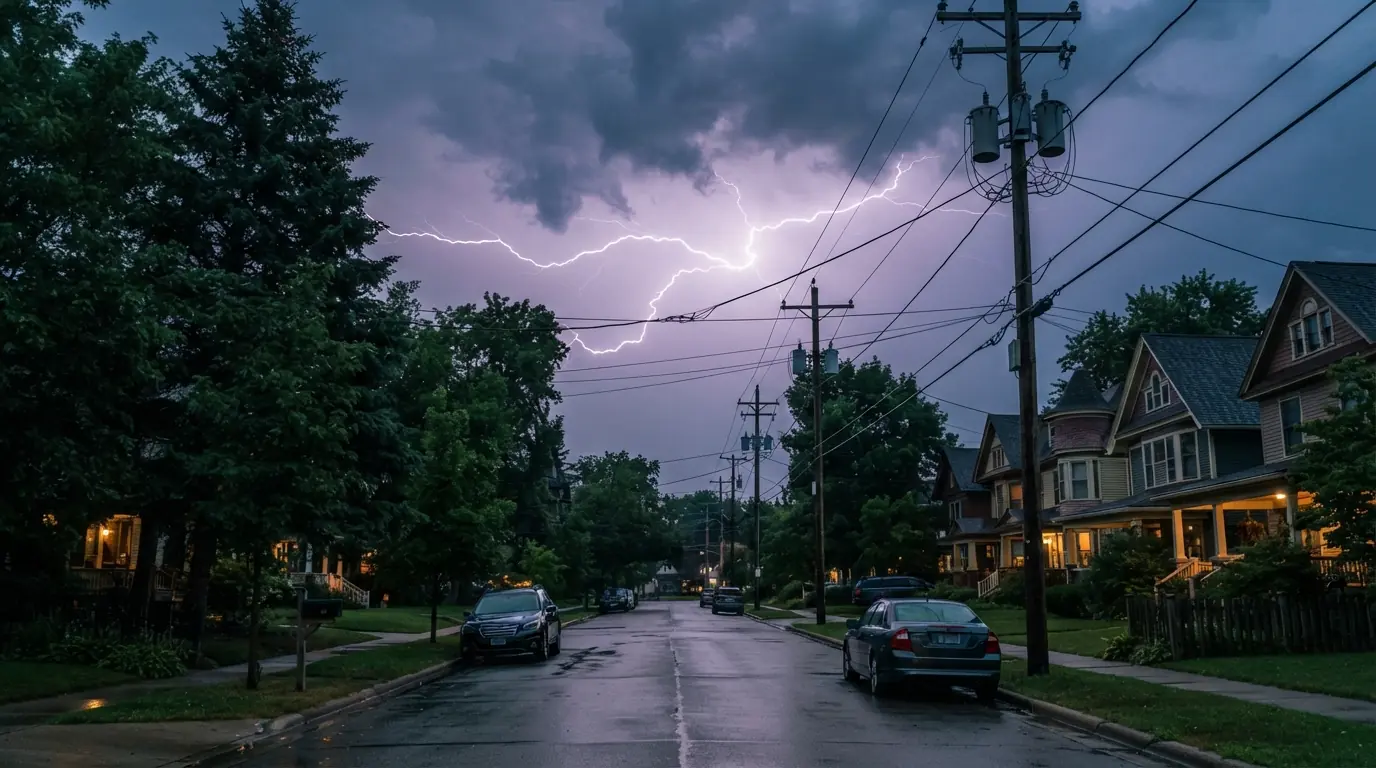
Nearby lightning strikes induce surges in overhead lines, and the utility's own switching, such as restoring power after an outage, can send spikes down the service. The switching surges are more frequent, and they are why electronics can fail on a sunny day after the power blinks. A panel device reduces both kinds. It will not survive a direct strike to the house, but it takes the everyday surges that slowly wear out appliance boards, furnace controls and garage door openers over the years.
Surge device replacement
Surge protective devices wear out as they absorb surges, and a big event can use one up entirely. Most panel units have an indicator light that goes out when protection is gone, which nobody looks at because the device sits in a basement. We check it when we are on site for other work, replace units that have failed, and recommend a check after any major lightning storm or outage in which you lost electronics, because a spent device looks exactly like a working one from across the room.

Local conditions
What we see around Grand Rapids
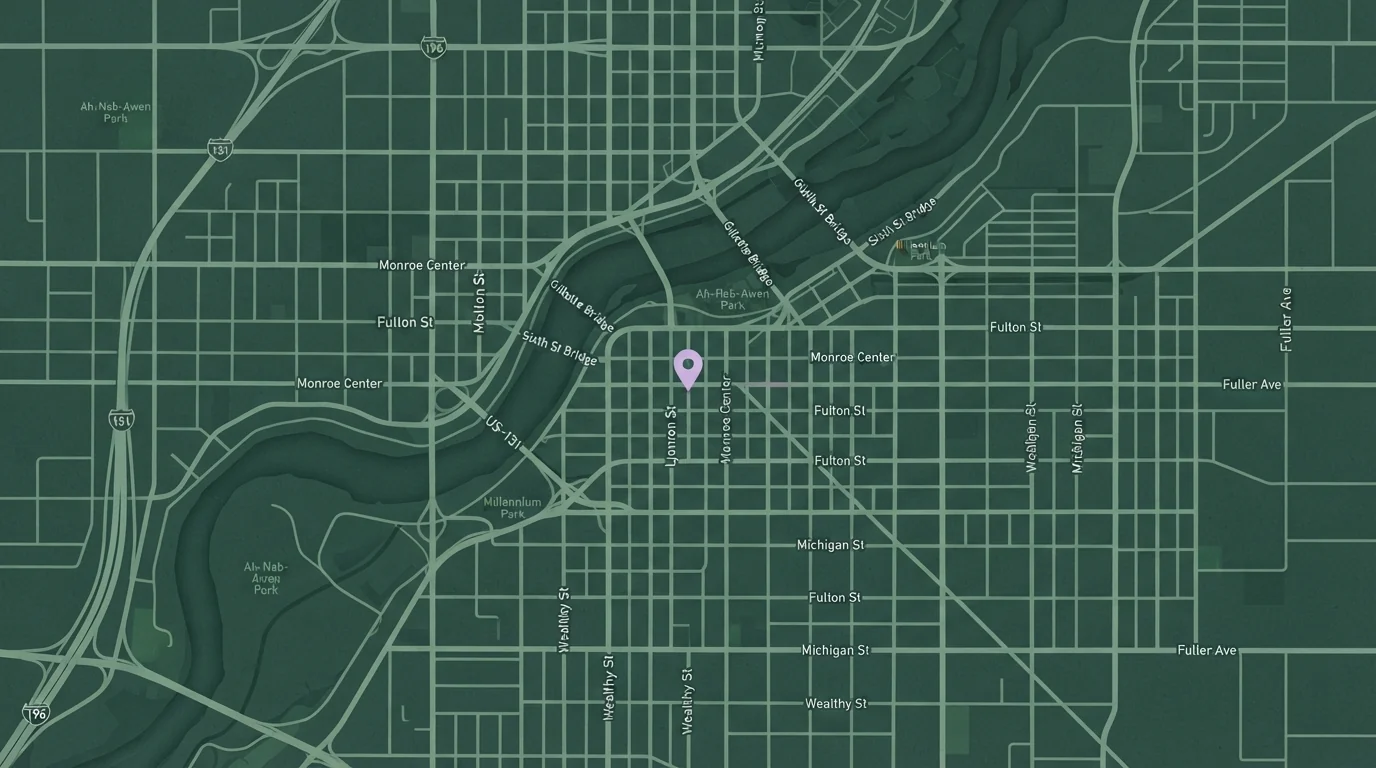
Kent County has seen outages in every season this past year, and severe storms in April 2026 with tornado warnings knocked out power to more than 47,000 Consumers Energy customers. Outages end with the utility re-energizing lines, one of the switching events that sends surges down the service, which is why we suggest a panel device alongside any generator or panel work.
Cost factors
What moves the price on this job
The device, the panel and the grounding decide most of the cost.
Typical regional electrician labor runs $75 to $150 per hour, as a planning figure rather than our price.
- 01
Device rating
Higher surge ratings cost more.
- 02
Panel space
A full panel may need rearranging for the breaker.
- 03
Grounding condition
Poor grounding must be fixed first.
- 04
Type 1 at the meter
Adds a second device and utility coordination.
- 05
Point-of-use protectors
Quality strips for key electronics.
- 06
Combined work
Cheaper alongside a panel or generator job.
- 07
Replacement
Swapping a spent unit costs less than a new install.
Choosing between them
Layers of surge protection
| Layer | Protects | Notes |
|---|---|---|
| Type 1 at the meter | The service entrance | Usually part of a new service |
| Type 2 at the panel | Every branch circuit | The core of whole-house protection |
| Point-of-use protectors | TVs, computers, network gear | Replace after a big surge |
How the job runs
How surge protection gets installed
Check the panel
Space, breaker type and brand.
Check the grounding
Electrode and bonding tested.
Pick the device
Rated for the service and panel.
Install with short leads
Dedicated breaker, straight connections.
Confirm the indicator
Device showing protection.
Point-of-use advice
Which electronics need strips.
Surge devices from Square D, Eaton and Leviton.
Straight answers
Questions about whole-house surge protection in Grand Rapids
Still unsure? Call (616) 699-4794 and ask a technician.
Not a direct strike. It handles the far more common surges from nearby lightning and utility switching.
For sensitive electronics, yes. The panel device and strips work as layers.
Until it absorbs enough surges; check its indicator light and replace it after big events.
Yes. We check the grounding and bonding before installing.
Most panels, if there is space for its breaker; we check the brand and space first.
Same category