Wiring, Outlets and Remodels
Hardwired smoke and carbon monoxide alarms installed in Grand Rapids homes
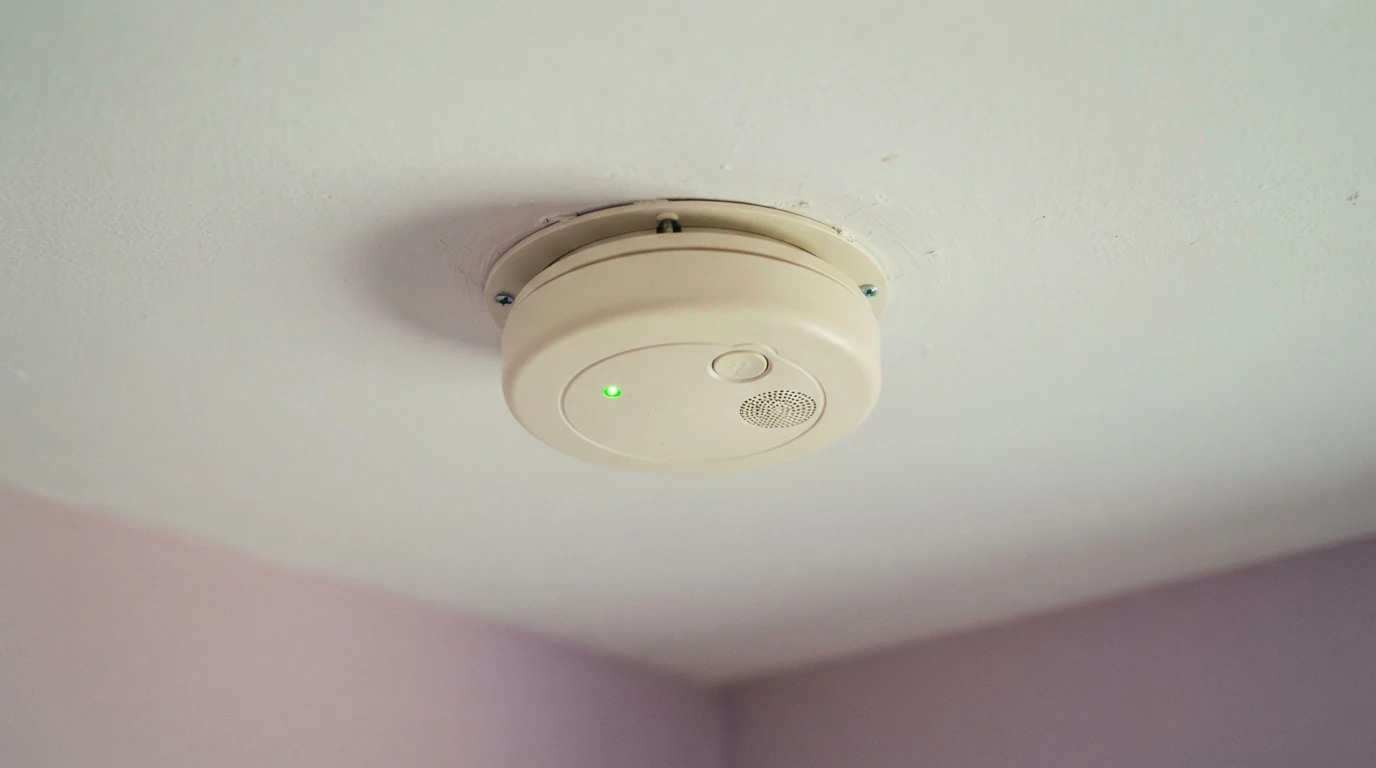
Smoke alarms wear out after about ten years, and CO alarms have their own lifespan. We replace old units, hardwire new ones on the right circuit with battery backup, interconnect them so every alarm sounds together, and place CO alarms where fuel-burning appliances make them count.
Updated September 2026
- Answered 24/7
- Hardwired with battery backup
- Interconnected across floors
- CO alarms placed near fuel appliances
Quick answer
Smoke and CO detector installation in Grand Rapids means hardwired alarms with battery backup, interconnected so one sounding sets them all off, placed in each bedroom, outside sleeping areas and on every level, with carbon monoxide alarms near sleeping areas and fuel-burning appliances. Alarms older than about ten years should be replaced.
What this job is
An alarm you cannot hear upstairs does not help
Many homes have a mix of battery alarms of different ages, some chirping, some past their date, none talking to each other. Interconnected hardwired alarms mean a fire in the basement sets off the alarm outside the bedrooms, where people will actually hear it. We check the dates on the existing units, replace the old ones, and bring the system up to the layout current code expects.
What is included
What an alarm upgrade covers
- Date check on every existing alarm
- Smoke alarms in each bedroom
- Alarms outside sleeping areas and on every level
- CO alarms near sleeping areas
- CO alarms near fuel-burning appliances
- Hardwired power with battery backup
- Interconnection across all floors
- Test of every alarm together
- Old units removed and recycled
The versions of this job
Hardwired interconnected alarms
Hardwired alarms run on house power with a battery backup, and interconnection means every alarm sounds when one detects smoke. In existing homes we reuse old alarm wiring where it is sound, fish new interconnect cable through attics and basements where it is not, and use listed wireless interconnect modules where running wire would mean opening finished ceilings. Every alarm is tested together before we leave, so you hear what the whole house sounds like and know the upstairs alarm will wake you.
Replacing alarms past 10 years
Smoke alarm sensors lose sensitivity with age, which is why manufacturers mark a replacement date, usually about ten years from manufacture. A chirping alarm is often the end-of-life warning, not just a low battery. We check the date on every unit, replace any that are expired or close to it with compatible models so the interconnection still works, and write the next replacement date where you will see it. Mixing brands usually breaks interconnection, so we match the system rather than the cheapest unit on the shelf.
CO alarms near fuel appliances
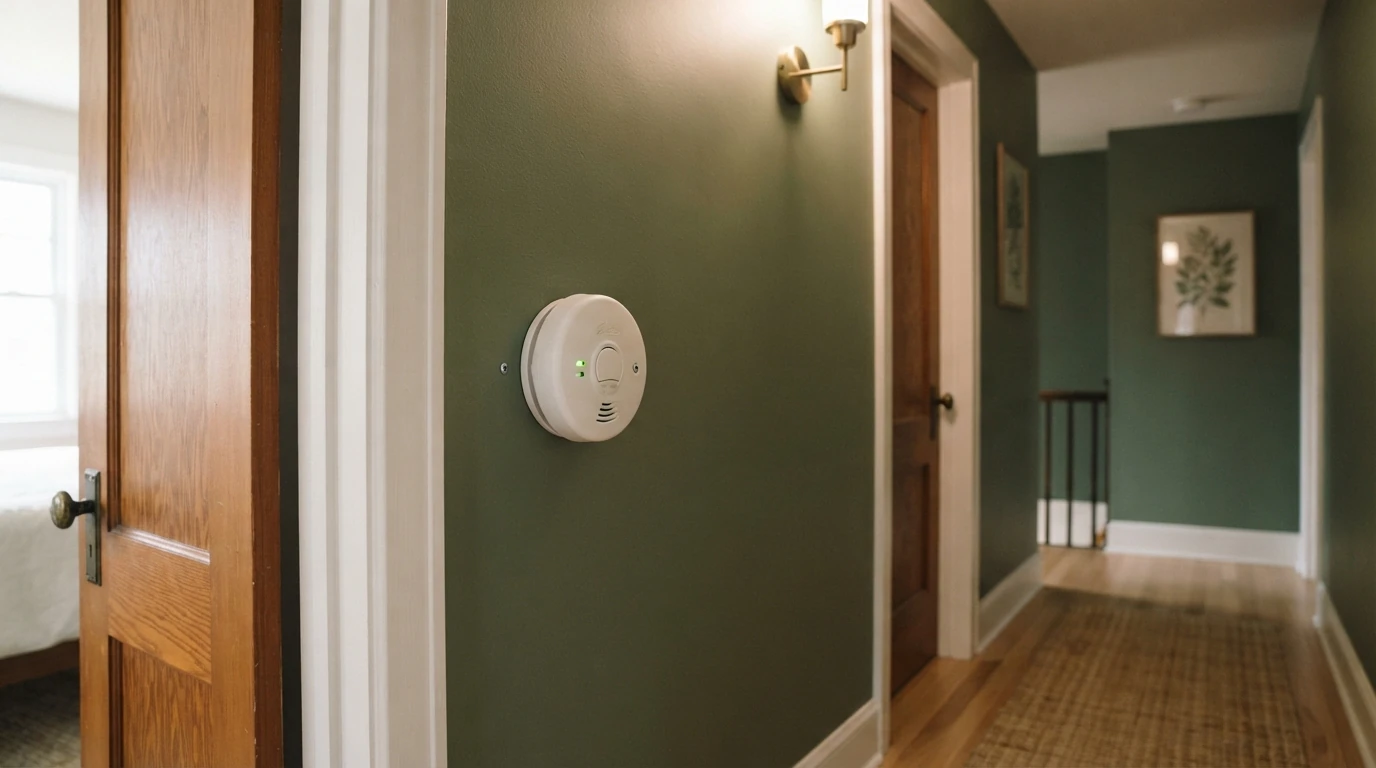
Carbon monoxide comes from furnaces, gas water heaters, gas ranges, fireplaces, attached garages and generators run too close to the house. CO alarms belong near sleeping areas and, where the code and manufacturer call for it, near fuel-burning appliances. We place them accordingly, interconnect them where the system allows, and explain the difference between the smoke alarm pattern and the CO alarm pattern so nobody confuses the two at night. CO alarms also get a replacement date, since their sensors age out on their own schedule.
Smart smoke detectors
Smart alarms send an alert to your phone when they sound, which matters for rentals, second homes and anyone who travels. They still need to meet the same placement and interconnection rules, and many need a Wi-Fi signal where they are mounted. We check signal strength first, install them on hardwired power where possible, and set up the app with you so the alerts reach the right people, including a neighbor or family member when you are away for the week.
Local conditions
What we see around Grand Rapids
Michigan residential customers can qualify for a utility bill credit after lengthy or frequent outages under state rules, and around Grand Rapids those outages happen in every season of the year. Hardwired alarms keep working through an outage on their backup batteries, which is exactly when candles, space heaters and generators raise the very risk that smoke and CO alarms exist to catch.
Cost factors
What moves the price on this job
Alarm count and whether new interconnect wiring is needed decide the price.
Typical regional electrician labor runs $75 to $150 per hour, as a planning figure rather than our price.
- 01
Number of alarms
Bedrooms and levels decide the count.
- 02
Existing wiring
Reusing sound wiring keeps costs down.
- 03
New interconnect runs
Fishing cable through finished ceilings takes longer.
- 04
Alarm type
Combination and smart alarms cost more.
- 05
Wireless modules
Used where wiring is impractical.
- 06
Ceiling height
Tall and vaulted ceilings need taller ladders.
- 07
Old unit removal
Disposal of expired alarms.
Choosing between them
Which alarms fit the house
| Alarm | Best for | Trade-off |
|---|---|---|
| Hardwired, interconnected | Most homes and all new work | Needs wiring between alarms |
| Wireless interconnected | Finished homes, hard wiring routes | Battery changes on some units |
| Combination smoke and CO | Hallways outside bedrooms | Both sensors age out together |
| Smart alarms | Alerts to your phone when away | Wi-Fi setup and higher cost |
How the job runs
How an alarm upgrade runs
Check existing alarms
Dates, type and wiring.
Plan the layout
Bedrooms, halls, levels, fuel appliances.
Wire or fit modules
Hardwired interconnect where possible.
Install alarms
Compatible models on every location.
Test together
Every alarm sounds from any trigger.
Mark replacement dates
So you know when the next swap is due.
Straight answers
Questions about smoke and co detector installation in Grand Rapids
Still unsure? Call (616) 699-4794 and ask a technician.
About every ten years from manufacture; check the date on the back.
Often a low backup battery or the end-of-life warning.
Near sleeping areas and, where required, near fuel-burning appliances.
Often, using listed wireless interconnect modules.
No. They still need to meet placement and interconnection rules.
Same category