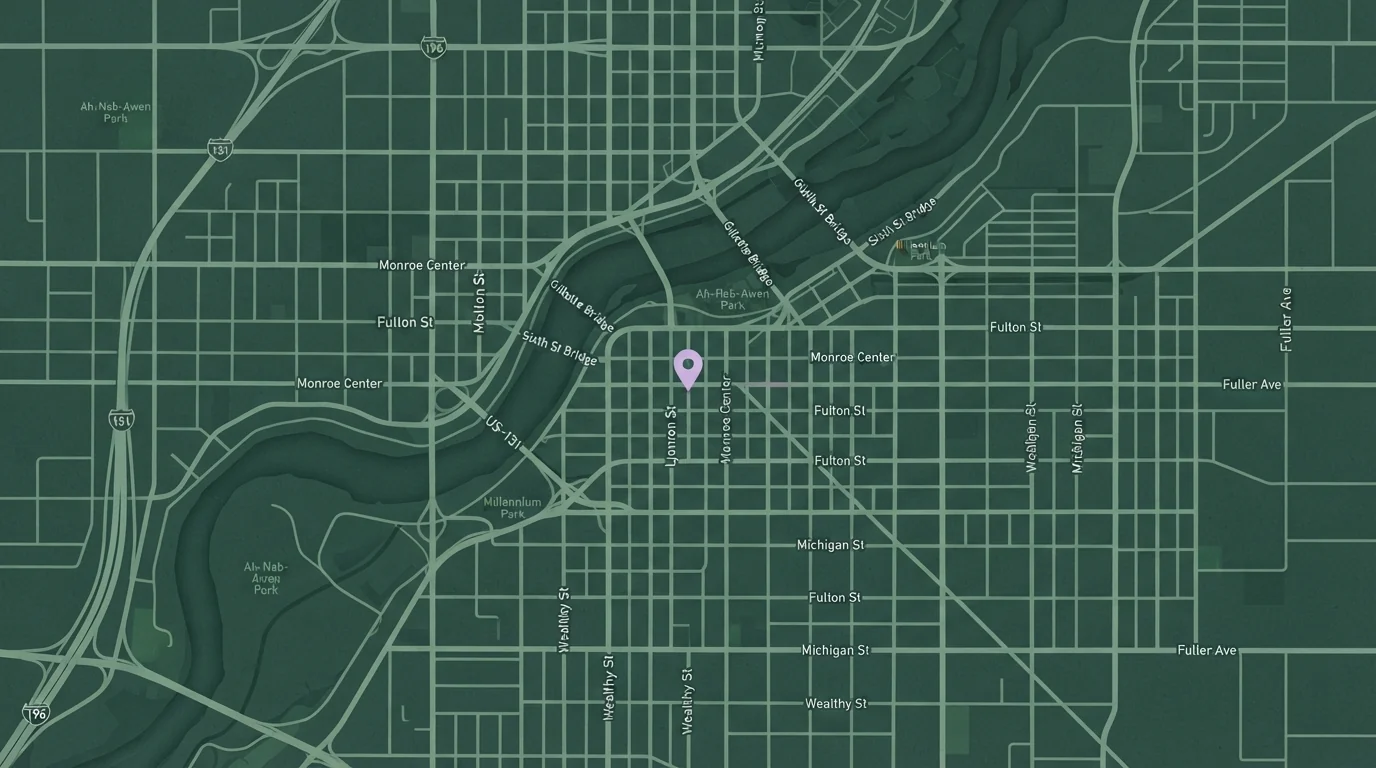
EV Chargers, Generators and Backup
Commercial generator installation for Grand Rapids businesses
For a business, an outage means closed doors, spoiled stock and frozen pipes. We size a standby generator to the loads that keep you open or keep your inventory safe, install the automatic transfer equipment, and plan the work around your trading hours and the utility's schedule.
Updated September 2026
- Answered 24/7
- Sized to business loads
- Automatic transfer
- Scheduled around your hours
Quick answer
Commercial generator installation in Grand Rapids covers sizing a standby generator to the business loads that must run in an outage, such as refrigeration, heat, lighting, point of sale and servers, installing automatic transfer equipment, often three-phase, and coordinating fuel, permits, inspection and the utility. Work is scheduled to avoid disrupting trading hours.
What this job is
Decide what the business must keep running
A business rarely needs its whole building on a generator. A restaurant needs its coolers, freezers and some kitchen lighting; a store needs registers, lights and security; an office needs servers, network and heat. Sizing to those loads keeps the generator and transfer equipment affordable. We walk the building with you, measure the actual loads, and write down what will run and what will not before anything is ordered.
Cost factors
What moves the price on this job
Generator size, phase and the transfer equipment decide most of the price.
Typical regional electrician labor runs $75 to $150 per hour, as a planning figure rather than our price.
- 01
Generator size
Kilowatt rating is the biggest factor.
- 02
Three-phase
Three-phase units and switches cost more.
- 03
Transfer scope
Whole service or essential loads only.
- 04
Fuel
Natural gas line or diesel tank.
- 05
Pad and site
Location, clearances and access.
- 06
After-hours work
Changeovers outside trading hours.
- 07
Permits and utility
Permits, inspection and coordination.
What is included
What a commercial generator project includes
- Load study of the circuits that must run
- Single-phase or three-phase generator sizing
- Automatic transfer switch sized to the load
- Essential-load panel where only part is backed up
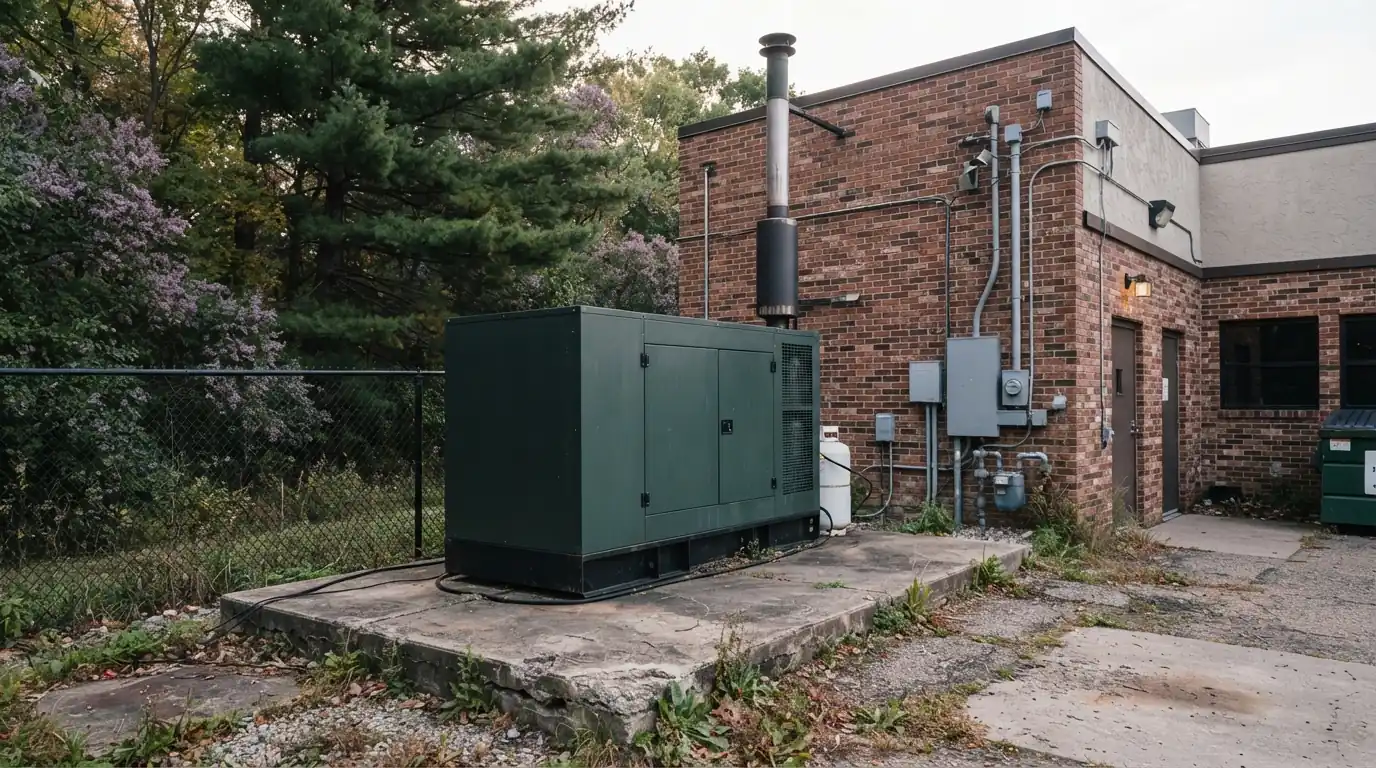
- Pad, clearances and exhaust placement
- Natural gas or diesel fuel supply
- Permits, inspection and utility coordination
- Startup, load bank or live transfer test
- Maintenance schedule handed over
The versions of this job
Office and retail standby
Offices and stores usually back up a defined set of loads: registers and payment terminals, network and servers, security and alarm systems, emergency and general lighting, and heat. We move those circuits to an essential-load panel fed through the transfer switch, so a moderately sized generator carries what keeps the doors open. Where the building is leased, we coordinate with the landlord on pad location, fuel and access before the equipment is ordered. Circuits that are not backed up are labeled so staff know what will stay dark during an outage.
Restaurant and cooler backup
Walk-in coolers and freezers can lose a full inventory in a long outage. A generator sized for refrigeration, kitchen exhaust, some lighting and the point of sale lets a restaurant protect stock and often keep serving. Refrigeration compressors have large starting currents, so we size for the moment they start together after the switch-over, not just their running load, and stagger restarts where the equipment allows it. Temperature alarms on the coolers are put on the generator too, so staff hear about a problem even when the building is closed.
Automatic transfer for businesses
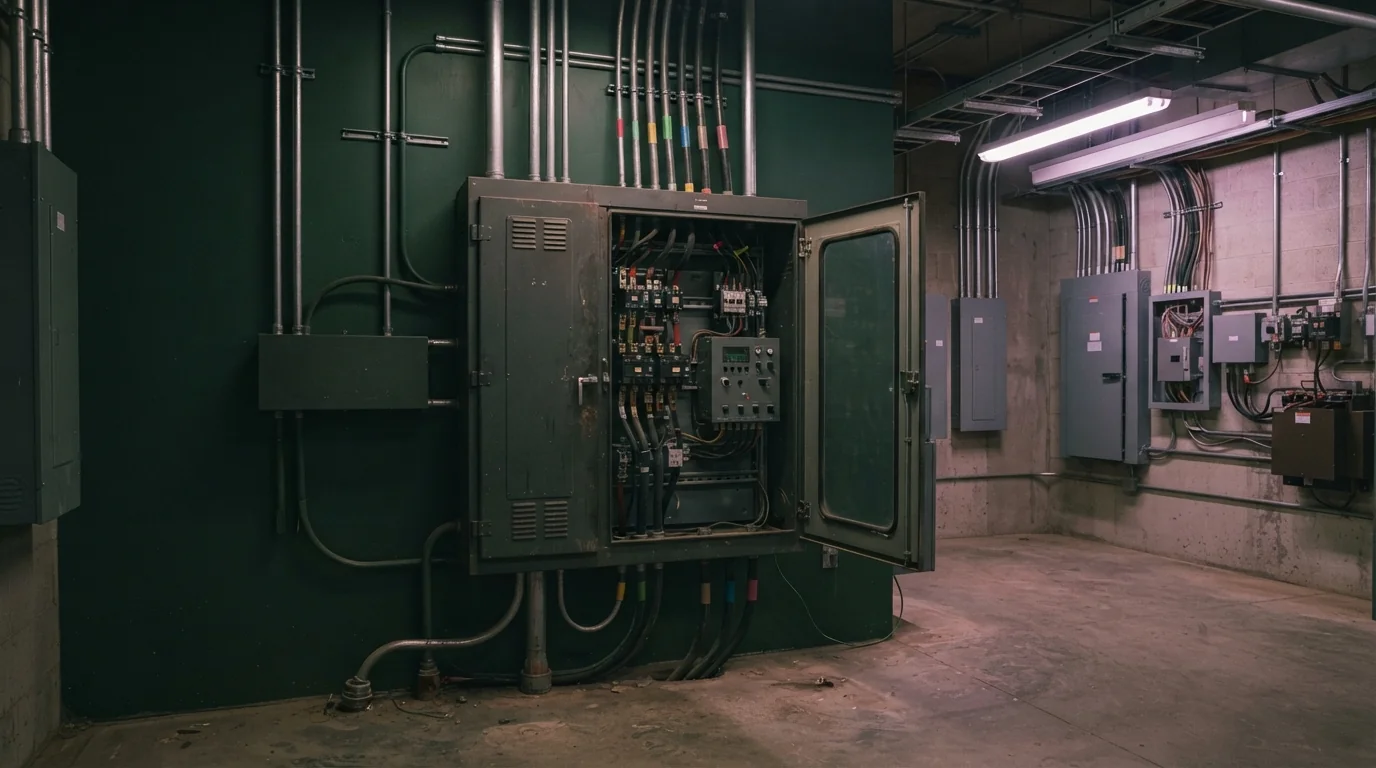
Commercial transfer switches are often three-phase and larger than residential units, and they may need to transfer the whole service or only an essential-load panel. We size the switch to the load and the service, install it with the correct protection, and program the exercise schedule for a quiet time of the week. A live transfer test with the utility disconnected proves the system before you rely on it. Remote monitoring can alert you or a manager when the generator starts, fails to start or needs service.
Generator maintenance contracts
A generator that has not run under load in months is the one that fails on the worst day. We set a maintenance schedule matched to the unit and its hours: oil and filters, battery and charger tests, fuel checks, transfer switch exercise and a load test. You get a written record of each visit, which insurers and landlords often ask for. Service calls for faults are answered 24/7, like everything else we do, so a fault during a storm is not left until Monday morning.
Local conditions
How Grand Rapids homes shape this job
January is Grand Rapids' coldest month, with an average high of 31 degrees F and an average low of 17 degrees F. For a business, a winter outage is not only lost sales; it is frozen pipes, failed sprinkler systems and cold storage at risk, which is why we include heat and freeze protection on the essential-load list for most commercial generators here.
Time on site
How long a commercial generator project takes
Planning and equipment lead time usually take longer than the installation itself. The on-site work, including pad, fuel, transfer switch and connections, is typically a few days, with the final changeover scheduled before opening or after close so the power is off for as short a time as possible. We give you the dates and the shutdown window in writing before work starts.
How the job runs
How a commercial generator project runs
Walk the building
What must run and where the unit can sit.
Load study
Measured loads and starting currents.
Design and price
Generator, switch and essential panel.
Permits and ordering
Equipment lead times confirmed.
Install
Pad, fuel, switch and connections.
Live test and handover
Transfer tested, maintenance planned.
Commercial standby generators from Generac and Kohler.
Straight answers
Questions about commercial generator installation in Grand Rapids
Still unsure? Call (616) 699-4794 and ask a technician.
It depends on the loads that must run; a load study decides it.
Yes, through an essential-load panel, which keeps costs down.
Yes, with three-phase automatic transfer switches.
Yes. The final changeover is scheduled before opening or after close.
Yes, on a maintenance schedule with written records, and for faults any hour.
Same category